
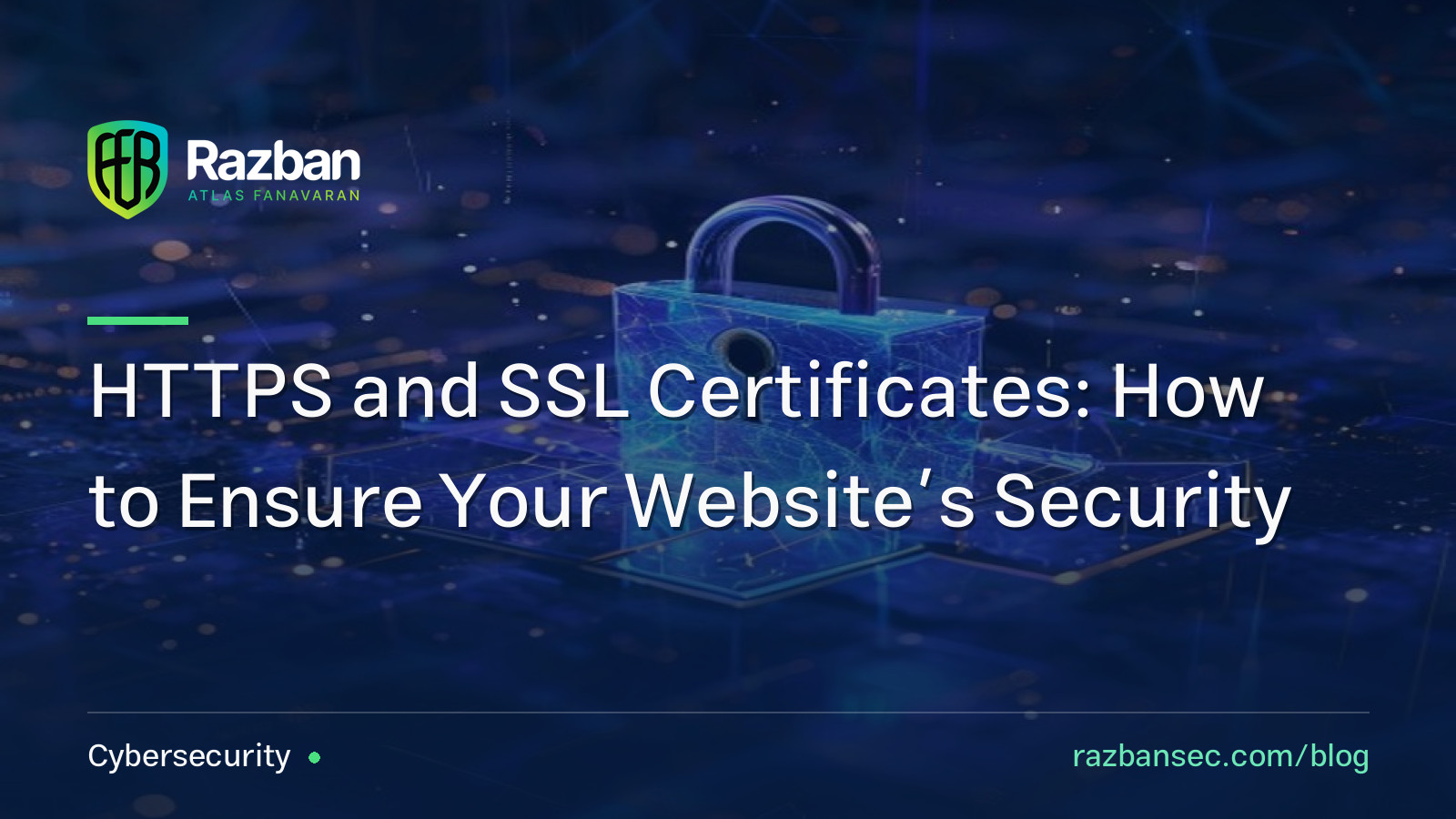
When you visit a website, the communication protocol acts as a bridge between your browser and the site’s server. In today’s digital landscape, securing this bridge is paramount. HTTPS (Hypertext Transfer Protocol Secure) serves as the secure version of the standard data transfer protocol. By utilizing an SSL certificate—essentially a digital passport that verifies a website’s identity—it encrypts the information exchanged between users and the site, keeping it shielded from unauthorized prying eyes.
Why HTTPS Is No Longer Optional
Previously, this technology was reserved for banking and financial websites. Today, it is a necessity for every site, even a simple blog. Without HTTPS, sensitive data such as passwords, email addresses, or contact information is transmitted in plain text across the network, making it easily interceptable by attackers. Beyond security, Google marks websites without HTTPS as ‘Not Secure,’ which can lead to a significant drop in search rankings and damage customer trust.
How to Enhance Your Website Security
To implement these security standards for your business, follow these steps:
- Obtain a Valid Certificate: Request an SSL certificate activation through your web hosting provider. Many providers offer free options, such as Let’s Encrypt.
- Configure Redirection: Once installed, ensure all your website traffic is automatically redirected from HTTP to HTTPS.
- Check for Mixed Content: Ensure that all website elements, including images and scripts, are loaded over HTTPS to avoid ‘Mixed Content’ warnings.
- Enable Auto-Renewal: SSL certificates have expiration dates. Be sure to enable auto-renewal features to ensure your website remains consistently accessible.
Digital security relies on multiple layers of protection, and HTTPS is merely the first step. If you require professional consultation for the security configuration of your online infrastructure, the Razban team is here to assist. Through our infrastructure auditing and server hardening services, we can help you provide a secure and stable experience for your customers.