

Server hardening
Locking down the operating system and server software, cutting back access rights and switching off services nobody uses.
SECURITY HARDENING
Many breaches start with a default password, an old account nobody removed or a patch nobody applied. Razban works through the findings of a security assessment and reconfigures your servers, network devices and web services so there is less for an attacker to use.
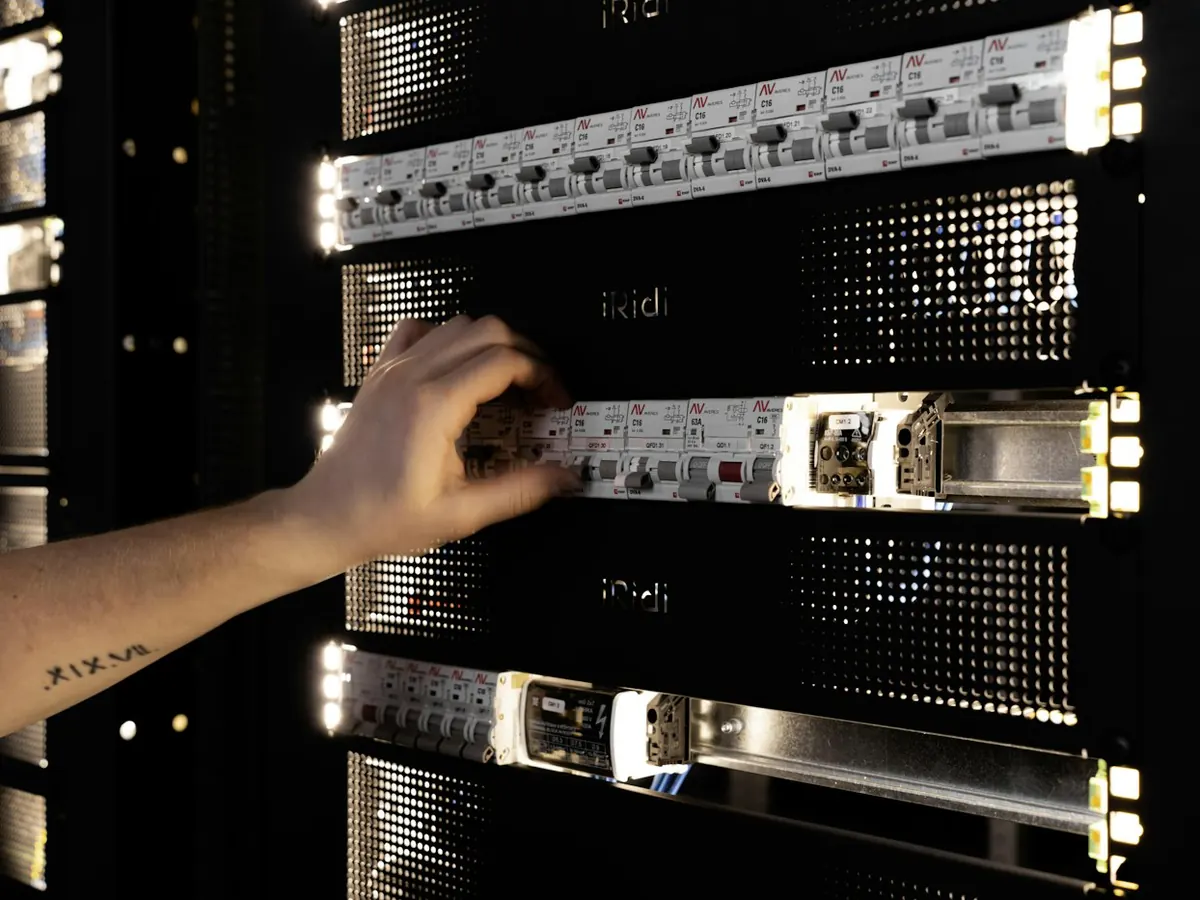
Locking down the operating system and server software, cutting back access rights and switching off services nobody uses.
Rules on your next-generation firewall that let through only the traffic the business depends on.
Splitting the network by role and sensitivity, so an intruder who gets into one segment cannot roam the rest.
A web application firewall in front of your sites and web apps, plus a layer that absorbs denial-of-service floods.
Operating systems and software updated on a fixed cycle, so published vulnerabilities do not stay open on your servers.
Once the changes are in, we check that each finding from the test has actually been closed.
We start from a penetration test report, either ours or one you already have.
Each finding is matched to a configuration change, an access restriction or an update, in order of risk.
Servers, firewalls, segments and web services are reconfigured in agreed maintenance windows.
The fixes are verified and a regular patching cycle takes over.
Hardening is based on the findings of a security assessment. If there is no assessment report, the first step is a review of the current configuration of your servers and equipment.
A penetration test finds the weaknesses and ranks them. Hardening is the work that removes them: changing configurations, restricting access and installing updates. One usually follows the other.
Razban Shield is a product installed on a server or website that adds features such as a web application firewall and two-factor login. Hardening is a service in which Razban specialists review and correct the configuration of your servers, network devices and services.
Yes. On managed secure hosting Razban hardens the server before your site goes live and keeps it patched afterwards, together with the web application firewall.
Send us a list of your servers, network devices and public services, and we will propose what to harden first and when.